Business Name: FootPrints Home Care
Address: 4811 Hardware Dr NE d1, Albuquerque, NM 87109
Phone: (505) 828-3918
FootPrints Home Care
FootPrints Home Care offers in-home senior care including assistance with activities of daily living, meal preparation and light housekeeping, companion care and more. We offer a no-charge in-home assessment to design care for the client to age in place. FootPrints offers senior home care in the greater Albuquerque region as well as the Santa Fe/Los Alamos area.
4811 Hardware Dr NE d1, Albuquerque, NM 87109
Business Hours
Monday thru Sunday: 24 Hours
Facebook: https://www.facebook.com/FootPrintsHomeCare/
Instagram: https://www.instagram.com/footprintshomecare/
LinkedIn: https://www.linkedin.com/company/footprints-home-care
Families usually start looking for at home senior care after a concrete occasion: a fall, a brand-new medical diagnosis, a next-door neighbor contacting us to state Mom roamed outside in the evening. The very first instinct is typically to concentrate on safety and physical help. Who will handle showers, medications, and meals? Can somebody drive to appointments?
Those are important concerns, however they exclude the peaceful space that frequently matters most to lifestyle: companionship.
In more than a years of working with senior home care teams and households, I have seldom seen a successful long term care strategy that did not include deliberate buddy care. Whether the family is managing the majority of the hands-on assistance themselves or working with an expert caretaker, the social and emotional layer is where a lot of results are won or lost.
This is not a soft, "nice to have" extra. Companionship affects mood, appetite, movement, even health center readmission rates. When it is missing out on, treatment has to work much harder. When it is present, practically everything else gets easier.
What companion care really indicates in genuine homes
People hear "buddy care" and picture someone talking at the cooking area table. Discussion belongs to it, but the real work goes deeper.
Companion care normally consists of a mix of the following, wrapped in consistent relationship:
- Friendly existence and conversation, including active listening to stories, concerns, and day-to-day updates Shared activities, such as strolls, easy games, light gardening, or cooking together Gentle prompting around routines, like meals, hydration, and individual hygiene, without doing every job for the person Accompaniment to consultations, social outings, or religious services, not simply as a motorist but as a social bridge Observation and reporting, observing subtle modifications in state of mind, memory, movement, or habits and alerting household or nurses
Companion caretakers might not perform knowledgeable nursing jobs, however they sit at the crossroads where physical health, psychological health and wellbeing, and daily life intersect. They see what happens between physician visits, in the regular hours when most issues begin small.
In useful terms, companion care can be part of a wider in-home care plan where other caretakers deal with bathing, transfers, and complex medical requirements, or it can be the primary assistance for a relatively independent senior who just should not be investing 10 hours a day alone.
Why isolation is a medical problem, not simply a mood
If you have actually ever visited a parent at 3 in the afternoon and recognized they have actually not spoken with another person because breakfast, you understand how quickly seclusion can creep in.
Research over the previous years has actually connected persistent isolation in older grownups to increased risks of depression, stress and anxiety, cognitive decrease, and even cardiovascular issues. Some big research studies have compared the health effect of severe social isolation to smoking a significant variety of cigarettes a day. The exact numbers differ from study to study, but the trend is clear: social disconnection is not harmless.
You see it clinically and delicately. A father who once loved cooking stops troubling with real meals and starts living on crackers and canned soup. A mother who utilized to read the paper everyday lets it pile up, unopened, due to the fact that talking about the headings was half the enjoyment. Gradually, missed meals result in weight-loss, dehydration, and weakness. Weakness results in falls. Falls lead to rehab stays and health center bills.
When a companion caregiver visits three afternoons a week for senior home care, those very same senior citizens often begin to consume more, move more, and re-engage with the world, not due to the fact that somebody "proded" them, however since life feels more worth the effort. A sandwich and a walk around the block make more sense when there is somebody to share them with.
The link in between mood and physical health is so strong that I now think about companion care a kind of preventive elder care, comparable in significance to safe flooring or medication management.
How buddy care reinforces the entire in-home care plan
Families often different "task care" from "social care" in their minds. One is framed as important elder care, the other as optional. In practice, they are intertwined.
Consider three areas where I see companion care straight amplify the impact of other services.
Medication adherence and routine
Nurses and medical professionals can purchase the ideal medications, and pill organizers can keep dosages arranged, but if a senior forgets to consume breakfast or loses track of time, dosages still get avoided. A buddy caretaker who comes dependably on specific mornings or nights can support that routine.
They might not turn over the tablet bottle, depending on the firm's policies and the state's guidelines, however they can:
Talk through the schedule so it feels less complicated. Help prepare a snack or meal that pairs with the dose. Notification patterns, such as "On the days you do not see anybody, you forget the midday dose."
Families attempting to coordinate home take care of parents from another city often underestimate just how much simply having another grownup in the home at foreseeable times anchors these routines.
Mobility and fall prevention
A physical therapist can create exercises to maintain strength and balance. If nobody encourages or monitors them, though, they frequently fade away. Numerous older adults hesitate to stroll alone after a fall, even inside their own homes.
Companion caretakers can walk along with the individual, keep discussion streaming to sidetrack from fatigue, and frame movement as part of shared time instead of a medical chore. For instance, rather of, "Do your exercises now," it becomes, "Let us stroll to the mailbox and then water the geraniums."
The result is much better adherence to the PT strategy and more confidence walking around your house, which directly decreases fall risk.
Early detection of changes
Most serious crises in elder care do not start as emergency situations. They arrive gradually: a bit more confusion today, a little swelling in the legs, a new tendency to nap at odd hours.
Family members visiting as soon as a week frequently miss out on the slow creep of these changes. Companion caretakers who are present frequently notice when their client all of a sudden abandons a beloved hobby, repeats the same question regularly, or begins holding onto furnishings more than usual while walking.
Because they are part of the in-home care group, they can report those observations to the agency, the nurse, or the household. That early flag sometimes sets off a medication check, a new diagnosis, or a timely intervention that avoids a hospitalization.
In this sense, companion care acts like a sensitive early caution system ingrained in day-to-day life.
What families actually imply when they say, "I simply desire somebody to be with Mom"
When families call a firm for in-home care, they typically begin with expressions like:
"I just desire someone to be with Mom so she is not alone."
"Dad is okay physically. He simply sits throughout the day. It is not good for him."Behind those words are layers of issue, often combined with guilt and logistical pressure.
An example from my own experience: A child in her late 50s arranged Albuquerque home look after her 84 years of age mother, a retired instructor. The mother's mobility was restricted however practical with a walker. The genuine problem was long days alone in a quiet house after the majority of her pals either moved away or passed on.
The child lived throughout town, worked full time, and had grandchildren to help care for. She checked out on weekends and one weeknight, but the rest of the time, her mother drifted in between the recliner chair and the kitchen area. Meals were sporadic. She started calling late at night, anxious and disoriented.
We established an at home senior care schedule with a companion caretaker 3 afternoons weekly. They prepared easy lunches together, started a small container garden, and arranged old photos into albums. The caregiver also encouraged brief walks inside your house, which constructed strength.
Within a month, the late night calls almost stopped. The mother began wearing genuine clothing once again, not simply pajamas. Her primary care physician noted modest however meaningful improvements in high blood pressure and weight. No medication was included or altered. The major intervention was structured, relational time.
What the child had requested, at its core, was relief from the understanding that her mother spent the majority of her waking hours in silence.
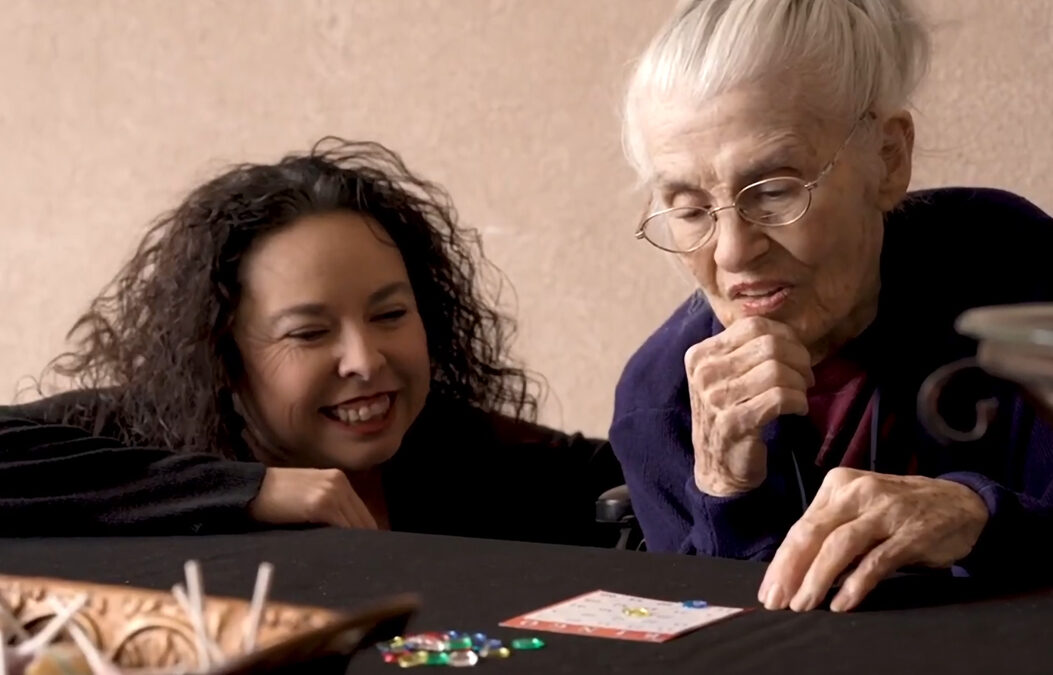
Companion care answers that need.
When is it time to include companion care?
Families often wait too long to generate buddy care because they are expecting physical decrease, not social and psychological strain. By the time apparent physical problems appear, isolation has actually generally been present for months or years.
A short psychological list can assist. Companion care is worth checking out when you see at least a few of these constant patterns:
- The senior invests several days a week without face to deal with contact for more than a few minutes Meals end up being minimal or repeated, such as toast or cereal for most lunches and dinners Hobbies that once brought happiness, like gardening, reading, or light crafts, are abandoned rather than adjusted You see more anxiety, irritation, or late night call that stem more from isolation than acute medical concerns The home begins to reveal signs of overlook that show reduced inspiration, not simply physical constraints
It is easier to introduce a companion caretaker while an individual is still relatively independent and able to engage, instead of waiting until depression or cognitive change has actually taken deeper root.
What great companion caregivers really do, day after day
The best buddy caretakers I have dealt with share 2 primary characteristics: reliability and interest. They appear when they state they will, and they stay truly thinking about the person in front of them.
Their day might look normal on paper: show up, welcome, ask about sleep, placed on a kettle of tea, open curtains, motivate a shower, repair a light meal, aid with a puzzle, take out trash, walk to the mail box, tidy the kitchen area, record the visit. None of these jobs are dramatic.
The ability depends on how they are woven together. A skilled companion understands when to sit and listen to a familiar story, and when to gently suggest, "Let us head outside for ten minutes. The sun feels good today." They know how to rate discussion with somebody who has moderate dementia, neither remedying every information nor strengthening confusion.
They track what works for that particular person. One customer may be more cooperative with personal hygiene after seeing an early morning news sector, another after a preferred music playlist. In time, great caretakers build a playbook of what encourages, what upsets, and what raises mood.
They also understand limits. Companion care is relational, however it is not a friendship in the normal sense. The caregiver is trained to keep professionalism, observe modifications, and communicate with household and supervisors rather than trying to deal with everything alone.
Families often underestimate this level of skill since the most reliable companion care looks like regular life. That is precisely the point. The assistance is unnoticeable enough that dignity stays intact.
How buddy care supports family caregivers too
Most discussions about at home senior care focus on the older adult, however household caregivers carry much of the weight. Daughters, children, partners, and even next-door neighbors often handle appointments, financial resources, grocery runs, and emotional assistance, often on top of full-time tasks and their own children.
Companion care provides households two important kinds of relief.
First, it gives them scheduled respite. Knowing that someone trustworthy will be with Dad every Tuesday and Thursday from twelve noon to 5 allows a kid to plan his workday, schedule his own medical visits, or simply rest without continuous worry. That predictability is as essential as the hours themselves.
Second, it frees family visits to be more relational and less transactional. Rather of investing the whole evening racing through jobs like bathing, meal preparation, and laundry, a daughter can really sit and play cards with her mother or take her out for ice cream, since some of the regular support has actually currently been managed earlier by the buddy caregiver.
This shift matters. When household time is always hurried and job heavy, resentment develops on both sides. When some of the useful load is shown expert in-home care, emotional connection has room to breathe.
Integrating companion care into a broader elder care plan
Effective home care seldom works as a single service. Companion care fits best as part of a broader structure that may consist of home health nursing, physical or occupational treatment, individual care assistants, and periodic medical appointments.
The specific mix depends upon the individual's health, mobility, and goals. For example:
A reasonably healthy 78 year old living alone may take advantage of companion visits three times a week focused on meals, light exercise, and neighborhood engagement, plus occasional transportation help.
An 85 year old with heart disease might have a nurse visit once or twice a week to manage medications and keep an eye on vital signs, while a buddy caretaker fills the spaces between, tracking weight, fluid consumption, and mood, and alerting the nurse to concerning changes.
In a dementia care scenario, personal care aides may deal with bathing and transfers, while buddy caregivers concentrate on structured, calming activities and rerouting agitation. The very same person may play both roles if the company cross trains staff.
Families preparing home take care of parents ought to believe in layers: safety, health management, and quality of life. Buddy care lives in that third layer however influences the first two. An engaged, promoted senior is most likely to adhere to medical strategies and less likely to participate in risky behaviors born from boredom or confusion.
Questions to ask when evaluating buddy care services
Whether you are talking to a firm for Albuquerque home care or hiring privately, the information matter. Buddy care is not a generic service; quality varies widely.
When you speak with possible companies, it helps to ask focused, useful concerns such as:
- How do you match caregivers and customers in regards to personality, interests, and schedule? What training do your companion caregivers receive, specifically around dementia, mental health, and interaction? How do caregivers record visits and communicate observations or concerns to families? What takes place if the regular caregiver is ill or on getaway? How do you handle continuity? Can you give examples of how your buddy care has helped customers remain at home longer or prevent hospitalizations?
Listen not simply to the content of the responses, however to how specific they are. Vague promises without concrete treatments or examples are a red flag.
Balancing self-reliance with support
One common concern among older adults is that accepting any sort of in-home senior care will deteriorate their self-reliance. Buddy care can be a mild method to add assistance without setting off that fear as sharply as hands-on individual care often does.
When presented respectfully, companion care can feel less like "having a caretaker" and more like "having some assistance around the house" or "having a motorist and assistant for errands." That framing can reduce pride-related resistance.
The secret is to include the senior in decisions as much as possible:
Discuss preferred days and times instead of enforcing a schedule.
Ask what activities they would delight in with a companion. Present the service as a way to lower concern for everyone, not as a judgment on their abilities.Over time, lots of initially unwilling elders grow connected to their companion caregivers. I have seen individuals who flatly declined "home care" warmly welcome "Maria who begins Wednesdays" as part of their typical routine. The service did not alter; the understanding did.
From in-home senior care an expert point of view, that is a win. The goal of elder care is not to remove away control, but to support the person in living as fully and securely as possible where they are most comfortable.
Why companion care belongs at the center, not the margins, of home care planning
When families take a seat to prepare in-home care, they often start with checklists: medication sets, fall threats, transportation needs, medical appointments. Those are necessary. Neglecting them would be dangerous.
Yet if you reflect on the older adults in your own life who aged well at home, they probably had something else: routine human connection, a reason to get out of bed, and somebody who knew when something was "off" before it ended up being a crisis.
That is what structured companion care attempts to provide, in a constant and sustainable way.
For some families, specifically those arranging senior home care from another city or balancing complex work schedules, buddy care is the anchor that keeps all the other moving parts aligned. For others, it is the bridge that enables an older adult to remain in your home instead of moving into a center before they genuinely need that level of care.
Good at home senior care does more than keep people safe. It assists them live with self-respect, interest, and connection. Companion care is not a luxury add-on to elder care. It is one of the main methods we secure both health and humankind in the location most older adults still prefer to be: home.
FootPrints Home Care is a Home Care Agency
FootPrints Home Care provides In-Home Care Services
FootPrints Home Care serves Seniors and Adults Requiring Assistance
FootPrints Home Care offers Companionship Care
FootPrints Home Care offers Personal Care Support
FootPrints Home Care provides In-Home Alzheimer’s and Dementia Care
FootPrints Home Care focuses on Maintaining Client Independence at Home
FootPrints Home Care employs Professional Caregivers
FootPrints Home Care operates in Albuquerque, NM
FootPrints Home Care prioritizes Customized Care Plans for Each Client
FootPrints Home Care provides 24-Hour In-Home Support
FootPrints Home Care assists with Activities of Daily Living (ADLs)
FootPrints Home Care supports Medication Reminders and Monitoring
FootPrints Home Care delivers Respite Care for Family Caregivers
FootPrints Home Care ensures Safety and Comfort Within the Home
FootPrints Home Care coordinates with Family Members and Healthcare Providers
FootPrints Home Care offers Housekeeping and Homemaker Services
FootPrints Home Care specializes in Non-Medical Care for Aging Adults
FootPrints Home Care maintains Flexible Scheduling and Care Plan Options
FootPrints Home Care is guided by Faith-Based Principles of Compassion and Service
FootPrints Home Care has a phone number of (505) 828-3918
FootPrints Home Care has an address of 4811 Hardware Dr NE d1, Albuquerque, NM 87109
FootPrints Home Care has a website https://footprintshomecare.com/
FootPrints Home Care has Google Maps listing https://maps.app.goo.gl/QobiEduAt9WFiA4e6
FootPrints Home Care has Facebook page https://www.facebook.com/FootPrintsHomeCare/
FootPrints Home Care has Instagram https://www.instagram.com/footprintshomecare/
FootPrints Home Care has LinkedIn https://www.linkedin.com/company/footprints-home-care
FootPrints Home Care won Top Work Places 2023-2024
FootPrints Home Care earned Best of Home Care 2025
FootPrints Home Care won Best Places to Work 2019
People Also Ask about FootPrints Home Care
What services does FootPrints Home Care provide?
FootPrints Home Care offers non-medical, in-home support for seniors and adults who wish to remain independent at home. Services include companionship, personal care, mobility assistance, housekeeping, meal preparation, respite care, dementia care, and help with activities of daily living (ADLs). Care plans are personalized to match each client’s needs, preferences, and daily routines.
How does FootPrints Home Care create personalized care plans?
Each care plan begins with a free in-home assessment, where FootPrints Home Care evaluates the client’s physical needs, home environment, routines, and family goals. From there, a customized plan is created covering daily tasks, safety considerations, caregiver scheduling, and long-term wellness needs. Plans are reviewed regularly and adjusted as care needs change.
Are your caregivers trained and background-checked?
Yes. All FootPrints Home Care caregivers undergo extensive background checks, reference verification, and professional screening before being hired. Caregivers are trained in senior support, dementia care techniques, communication, safety practices, and hands-on care. Ongoing training ensures that clients receive safe, compassionate, and professional support.
Can FootPrints Home Care provide care for clients with Alzheimer’s or dementia?
Absolutely. FootPrints Home Care offers specialized Alzheimer’s and dementia care designed to support cognitive changes, reduce anxiety, maintain routines, and create a safe home environment. Caregivers are trained in memory-care best practices, redirection techniques, communication strategies, and behavior support.
What areas does FootPrints Home Care serve?
FootPrints Home Care proudly serves Albuquerque New Mexico and surrounding communities, offering dependable, local in-home care to seniors and adults in need of extra daily support. If you’re unsure whether your home is within the service area, FootPrints Home Care can confirm coverage and help arrange the right care solution.
Where is FootPrints Home Care located?
FootPrints Home Care is conveniently located at 4811 Hardware Dr NE d1, Albuquerque, NM 87109. You can easily find directions on Google Maps or call at (505) 828-3918 24-hoursa day, Monday through Sunday
How can I contact FootPrints Home Care?
You can contact FootPrints Home Care by phone at: (505) 828-3918, visit their website at https://footprintshomecare.com, or connect on social media via Facebook, Instagram & LinkedIn
The Albuquerque Museum offers a calm, engaging environment where seniors can enjoy art and history — a great cultural outing for families using in-home care services.