Business Name: FootPrints Home Care
Address: 4811 Hardware Dr NE d1, Albuquerque, NM 87109
Phone: (505) 828-3918
FootPrints Home Care
FootPrints Home Care offers in-home senior care including assistance with activities of daily living, meal preparation and light housekeeping, companion care and more. We offer a no-charge in-home assessment to design care for the client to age in place. FootPrints offers senior home care in the greater Albuquerque region as well as the Santa Fe/Los Alamos area.
4811 Hardware Dr NE d1, Albuquerque, NM 87109
Business Hours
Monday thru Sunday: 24 Hours
Facebook: https://www.facebook.com/FootPrintsHomeCare/
Instagram: https://www.instagram.com/footprintshomecare/
LinkedIn: https://www.linkedin.com/company/footprints-home-care
Choosing in between staying at home with support or moving into assisted living is never ever a cool spreadsheet decision, specifically for couples. Many pairs do not age in sync. One spouse may still deal with the financial resources and the yard, while the other battles with bathing safely or handling medications. The calculus isn't almost expense or amenities. It's about protecting the relationship you've developed together, keeping life familiar, and balancing safety with self-respect. I've sat at dining room tables with adult kids, notebooks open, while their moms and dads argued adoringly over who "required more aid." I have actually visited assisted living communities where couples share a one-bedroom and a patchwork of services. There isn't a universal right response. There is just the best fit for your scenarios, which can change over time.
Below, I'll stroll through how I evaluate this choice with families. We'll compare what at home senior care can provide, how assisted living can streamline some problems, and where couples get stuck. I'll share genuine numbers where they're foreseeable, story-tested ideas, and the small concerns that often unlock clarity.
What modifications when there are two?
Caring for two older grownups is not simply "double." Needs tend to diverge. One partner might have mild cognitive impairment and a stringent medication schedule. The other may drive, prepare, and deal with documentation, however has arthritis that makes lifting or assisting in the shower hazardous. Include the emotional math: partners frequently safeguard each other by hiding signs, minimizing falls, or taking on more than they should.
In useful terms, the couple's care plan has to serve 2 individuals who share a home and a life, yet might need different types and intensities of support. In home care, a senior caretaker can flex shifts to concentrate on whoever requires more assistance that day. In assisted living, services attach to people. If both need individual care, everyone gets assessed and billed separately. That distinction alone can swing the decision.
Think likewise about rhythm. A lot of couples have long-standing regimens that keep them grounded. Breakfast at the table with a newspaper. A mid-morning community walk. Gardening after lunch. The more you can preserve familiar rhythms, the less disruptive changes feel, especially for a partner with memory loss. In-home care naturally supports this; assisted living can approximate it, however neighborhood schedules and staffing patterns set limits.
What in-home care appears like when it works well
When I see home care service be successful for couples, it's because we have actually matched the caregiving hours to their real difficulty spots and respected the fabric of their home life. Early mornings are the most typical pressure point. If bathing, dressing, and breakfast take a toll or trigger arguments, a caretaker showing up from 7 to 11 am can change the day. The rest of the time, the more independent spouse holds the fort, with a lighter load and a safety net.
Household management matters. Caregivers can handle laundry, change sheets, prep meals for later, place grocery orders, and hint medications. They serve as a 2nd set of eyes, catching early changes: a brand-new cough, swelling in the ankles, food going unblemished. For many couples, that sort of encouraging scaffolding keeps the https://lorenzopwon444.lowescouponn.com/in-home-care-vs-assisted-living-security-comfort-and-self-reliance-compared household intact and lowers ER trips.
Expect to pay by the hour. In a lot of city areas, private-duty in-home care runs approximately 28 to 40 dollars per hour, with higher rates for overnight or complex care. Agencies frequently have a minimum visit length, commonly three or 4 hours. If the couple requires protection every day, mornings only, you may invest 2,500 to 4,500 dollars month-to-month. If nights are difficult or dementia habits worsen after dusk, the spending plan shifts quickly. A real 24/7 schedule can run 18,000 dollars or more monthly, which outstrips many assisted living options.
Bringing care into the home also takes coordination. Somebody has to keep products equipped, preserve the home, and deal with bills. If adult kids live out of state, consider including a geriatric care manager to the group. They can keep track of, adjust the plan, and fix for the odd problems that crop up: a damaged microwave, a missing out on listening devices, a burst pipeline after a difficult freeze. That oversight layer frequently makes the distinction in between smooth cruising and continuous fire drills.
What assisted living does best
Assisted living shines when day-to-day logistics have actually grown heavy. Meals appear without a grocery list. Housekeeping and linen service roll along undetectably. There's constantly somebody around if a fall happens. Partners do not need to work out the tasks that once came easily. I have actually seen couples breathe, visibly, throughout a tour when they realize they no longer have to manage a house.

Costs depend upon apartment size, location, and care levels. A one-bedroom house in a mid-sized city typically runs 4,000 to 6,500 dollars each month for room, board, and basic services. Care costs stack on top, normally after an evaluation. If Partner A needs aid with bathing and medications, and Partner B needs aid with dressing and toileting, each person receives a point score or tier. It is common for combined monthly costs for a couple to land in the 6,500 to 10,000 dollar range. In high-cost cities or for greater care tiers, plan for more. Memory care systems, if required, generally add 1,500 to 3,000 dollars per month over basic assisted living.
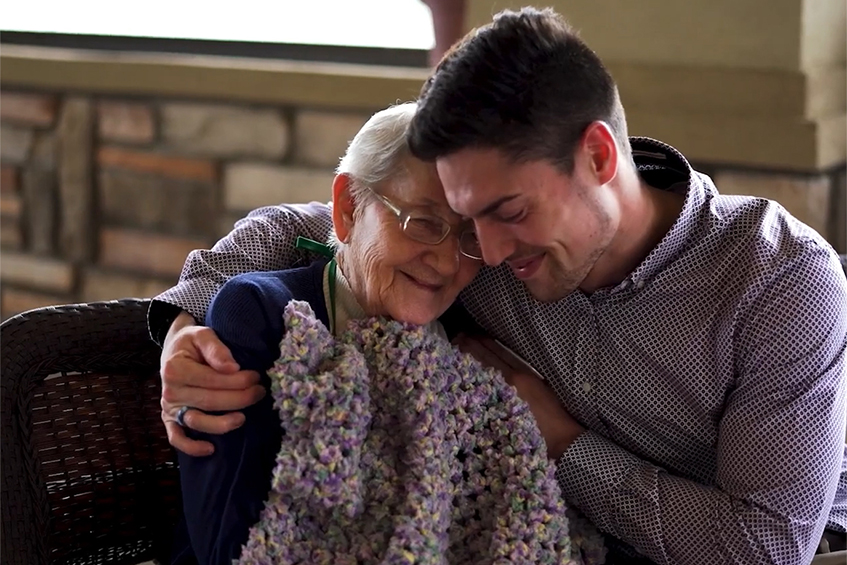
Crucially, assisted living minimizing caretaker pressure can safeguard a marriage. I have actually had husbands tell me that having a third individual step in for personal care restored their role as a spouse rather than a hesitant nurse. Couples find shared time that isn't dominated by tasks. They go to the courtyard for coffee, sign up with a chair workout class, participate in music hour. That social fabric helps both partners, specifically the healthier partner who can otherwise end up being isolated at home.
The wedge issue: when one partner requires memory care
Dementia complicates everything. Many assisted living communities say they can support "moderate to moderate" cognitive problems. In practice, once wandering, repeated exit-seeking, sundowning, or resistance to care appear, the group may suggest a transition to the neighborhood's protected memory care unit. That can split a couple between two areas of the exact same campus, in some cases with different schedules and dining-room. Some neighborhoods let the independent partner invest much of the day in memory care or bring the other partner out for meals, but the separation still stings.
At home, a skilled senior caretaker with dementia training can handle agitation, established calm regimens, and decrease triggers: a blaring television, chaotic sidewalks, late-afternoon tiredness. They can stay with the person who wanders while the other spouse showers or naps. Nevertheless, home designs matter. Open front doors, stairs without gates, and bathrooms with slick tile raise risk. You can include alarms, grab bars, and lighting, however not every house adjusts well.
There's also the energy expense. The much healthier partner often ends up being the default care coordinator and night watch. If sleep is regularly broken by pacing or confusion, no quantity of daytime assistance completely repairs it. In those cases, a memory care unit can supply a much safer, more predictable environment, and the well spouse can visit daily, rested and attentive.
Keeping couples together: realistic options
Most households begin with the objective of keeping partners under the very same roofing system. That roof can be their existing home, a brand-new, smaller home near family, or an apartment in an assisted living neighborhood. I tend to approach it in phases.
Phase one is targeted support at home. Add early morning or evening help through a home care service. Tackle security improvements: railings, grab bars, lighting, non-slip mats. Consolidate medications with a dispenser, established pharmacy shipment, and organize grocery or meal shipment. If both partners manage well between sees, keep this stage going. Some couples successfully run this way for years.
Phase 2 is hybrid support. Boost caretaker hours, maybe add two daily shifts. Generate a nurse visit weekly for vitals or injury care, if required. Consider adult day programs two or 3 days a week for the partner with cognitive changes, which provides structure and respite. The home stays the anchor. A geriatric care manager monitors and avoids little problems from becoming big ones.
Phase three is either full in-home assistance or a relocation. Complete assistance in your home ways near-round-the-clock coverage, which is both expensive and complicated to schedule. A transfer to assisted living streamlines protection and can keep partners together, especially if the cognitively impaired partner is still manageable in a basic assisted living setting. In some cases we include personal task caretakers in the assisted living house to bridge gaps, like one-on-one support at meals or additional bathing help.
If dementia progresses, the last stage might split settings. One partner needs memory care while the other remains in assisted living. When that happens on one school, regimens are easier: breakfast together, lunch in memory care, afternoon film in the main lounge. I have actually seen this work much better than anticipated when personnel are active and communication is tight.
Dollars and information: a grounded look at costs
No 2 markets match, but the expense contours are foreseeable. In-home care varies, pay-as-you-go, and scales with hours. Assisted living is more fixed, with periodic increases and add-on care fees.
With in-home care:
- A part-time schedule, like 4 hours a day, 5 days a week, may average 2,500 to 3,500 dollars monthly depending upon rates. Expanding to two daily shifts, early morning and night, can push you into the 5,000 to 8,000 dollar range. Overnight care, whether awake personnel or sleep-over, raises expenses significantly. Constant coverage could exceed 15,000 dollars monthly in lots of areas.
With assisted living:
- A one-bedroom apartment or condo for two with base services commonly runs 5,000 to 7,500 dollars in numerous urban and suburban regions. Care tiers for each partner include 500 to 2,000 dollars per person, depending upon needs. Memory care rates generally exceed basic assisted living by 20 to 40 percent.
Don't forget covert costs. In the house, utilities, property taxes, maintenance, and home adjustments accumulate. In assisted living, look for neighborhood costs, second-occupant fees, and charges for incontinence materials or medication administration. Also clarify transportation policies, especially if one partner has frequent medical appointments.
Paying for care generally draws from a mix of retirement earnings, savings, home equity, long-lasting care insurance, and veterans benefits where suitable. Medicare does not spend for long-term custodial care, whether at home or in assisted living. Long-lasting care policies vary widely. Some will fund both at home senior care and assisted living, however advantage triggers and everyday optimums dictate how far they stretch. Check out the policy thoroughly and ask the insurance provider to describe approved companies and documents requirements.
Safety, privacy, and the significance of home
Home carries weight. The chair by the window, the wall of family photos, the creak on the third stair, all of it wraps a couple in memory and identity. Staying put supports autonomy. You choose who is available in. You decide bedtime. You keep your dog. Personal privacy is stronger at home, which matters throughout personal care. There is less requirement to carry out for neighbors and staff.
On the flip side, security in the house depends on the ideal devices and the best people. If the bathroom has a narrow entrance, a walker may not fit. If the bed room is upstairs, fatigue or a late-night restroom run ends up being a fall danger. Setting up a stair lift or converting a downstairs area can resolve this, however not every home allows it.
Assisted living trades some privacy for a safety net. Help is a call pendant away. The bathroom is constructed for mobility. Doors and thresholds are created for wheelchairs. Yet even the very best neighborhoods have staffing patterns and reaction times, and the couple is no longer alone in their space. Some partners miss out on the small freedoms, like consuming dinner in pajamas or letting meals sit until morning. Others find the trade worth it when worry eases.
The psychological labor no one talks about
Care choices often stir old marital functions. The partner who managed cash may concentrate on costs and long-term sustainability. The partner oriented to hospitality might obsess over whether a caregiver will fold towels the "right" way. Sometimes a transfer to assisted living activates sorrow that appears like anger. "This isn't who we are." That reaction is typical and should have time.
I've discovered to try to find indications of burnout concealed behind politeness. A partner who brushes off deals of aid but stumbles over dates. A sink loaded with meals that didn't sit full yesterday. A locked bed room door due to the fact that the partner with dementia gets up during the night and rifles drawers. These are warnings. If I hear, "We're great," but the smoke detector battery has actually been chirping for weeks, I take it seriously. Burnout does not announce itself; it leakages into little cracks.
In those minutes, even a modest boost in in-home care, two more early mornings a week, can stabilize things. Or a brief respite stay at an assisted living community can reset sleep and offer the well spouse a breather. If a community uses trial stays, use them. A week or more can lower the stakes and offer accurate feedback about fit.
How couples evaluate quality, not just brochures
When you're comparing home care providers, lean on specifics. Ask about caregiver reliability rates, typical period, dementia training, and how they manage last-minute call-outs. Request to satisfy the proposed caretaker before the first shift. Great firms will do a joint visit and change if the chemistry isn't there. Also ask how they monitor. Do they do unannounced spot checks? How typically does a nurse or care supervisor review the plan?
For assisted living, tour more than when. Visit late afternoon, when staffing can thin and resident energy dips. Enjoy a meal service from the edge of the dining-room. Is it loud and rushed, or calm with adequate hands to assist? Peek into activity calendars, then validate involvement by strolling past the occasion. Ask homeowners independently how they like living there and how well personnel manage maintenance demands. Spend time in the house restroom and kitchen area. Envision life. Is there enough area for two reclining chairs, a small table, and personal touches?
Medication management is a key contrast point. In your home, a caretaker can hint and document medications, however a nurse is needed for injections or complex injury care. In assisted living, medication service technicians handle administration, however validate how they track modifications after physician check outs. Miscommunication here triggers many preventable hospitalizations.
When the much healthier spouse is the swing vote
Often one partner resists alter more than the other. If the well spouse carries a heavy load, their stamina ends up being the deciding aspect. I have actually seen marriages stress when the healthier partner ends up being both caregiver and gatekeeper. Resentment grows quietly: "I'm doing everything, and you're stating no to assist."
Put it on paper. Note the jobs each person deals with now, how long they take, and what feels hardest. Consist of undetectable work: refilling prescriptions, arranging insurance mail, setting up the plumbing. Appoint a threat rating to jobs that could lead to injury, like lifting in the shower. Something shifts when both spouses see the tally.
If one partner highly opposes assisted living, however both concur security is nonnegotiable, trial a robust home care schedule for 60 to 90 days. Be specific: if specific metrics do not enhance, like reductions in falls or much better sleep, you'll revisit a move. This timebox gives the unwilling spouse a sense of control and a fair test. In my experience, either home care stabilizes things perfectly or the data supports the case for moving without casting blame.
Tiny information that settle, whichever route you pick
Documentation smooths shifts. Keep a one-page medical summary for each partner: medical diagnoses, medications, allergic reactions, main physicians, recent hospitalizations, standard high blood pressure and weight, and emergency situation contacts. Update it monthly. Whether you're onboarding a brand-new senior caregiver or moving into assisted living, turning over that sheet limits errors.
Create a rhythms list: chosen wake times, typical breakfast, nap habits, any expressions that relax agitation, music favorites, and foods to prevent. A caretaker will utilize it on day one. Assisted living personnel will post it on the care station and actually consult it when things go sideways.
Simplify the home's physical design. Move daily-use items to waist height. Label drawers. Put a durable chair with arms in the kitchen area. Replace scatter carpets with slip-resistant mats or remove them. These little changes decrease falls and frustration.
Finally, plan for delight. Put it on the calendar. Friday motion picture night, sluggish strolls at a neighboring pond, a Sunday call with grandkids. Couples who anchor care plans in significant activities fare much better. Care isn't only about avoiding bad results. It has to do with protecting the couple's shared life.

When the mathematics and the heart disagree
Sometimes the numbers make assisted living appearance sensible, however the couple's heart stays at home. Often in-home senior care looks economical for now, but you can see the slope ahead. In those cases, I ask two questions.
First, what result are we attempting to avoid most? A serious fall, caregiver burnout, a forced relocation after a hospitalization? Let that worry guide the plan. If burnout sits at the top, purchase more aid now. If a fall is the worry, purchase the bathroom remodel before weekly massages.
Second, what outcome are we most intending to secure? Quiet early mornings with the paper? Hosting the household for Thanksgiving one more year? Shared privacy? Shape the plan around that, even if it costs a little bit more or needs uncomfortable compromises. I've seen couples keep Thanksgiving alive by bringing in a caretaker for meals and cleanup or by reserving the community's private dining-room and letting staff help plate the meal.
A useful comparison to ground your choice
Here is a concise view that tends to clarify believing when couples decide between home-based assistance and assisted living.
- In-home care maintains routines, pets, and personal privacy. It scales by hours and can be surgical: help precisely when you need it. It depends on a safe home layout and the healthier spouse's willingness to collaborate. Costs vary with need, with steep increases for overnight or continuous coverage. Assisted living streamlines meals, housekeeping, and emergency situations. It stabilizes caregiving for both partners and can reduce marital strain by outsourcing intimate care. It presents neighborhood schedules and less personal privacy, and expenses are more predictable but can climb with care tiers, specifically if one partner shifts to memory care.
Neither course is failure. Both are tools. Lots of couples use both in time, beginning with senior home care and moving later, sometimes circling around back to additional at home assistance inside the community.
A short, truthful checklist to evaluate your direction
Use this fast gut check if you feel stuck.
- Are mornings or nights regularly unsafe or exhausting, even with limited help? If yes, boost in-home care now or consider a move. Has the healthier partner reduced weight, stopped pastimes, or begun making unusual mistakes with bills or medications? That signals burnout; generate more support immediately. Does the home's layout produce day-to-day barriers, like stairs to the only restroom or narrow doors for a walker? If fixes aren't possible, assisted living might be safer. Is one partner showing behavioral signs of dementia that interfere with sleep or safety? A memory care strategy, at home or in a protected system, ought to be on the table. Can your budget sustain the picked model for a minimum of 12 months, with a plan for what happens if needs escalate?
If three or more responses press in one instructions, trust that push and style a plan around it. Reassess in 60 to 90 days.
Final ideas from the field
When couples pick a path that lines up with their everyday truth instead of their idealized past, everything gets easier. In-home care can deliver extraordinary lifestyle when needs are moderate and your house supports safety. Assisted living can lift a squashing load and aid partners reclaim their relationship when tasks and risks increase. The healthiest choices seldom feel triumphant. They feel consistent. They lower turmoil a little each week.
If you remain in the middle of this choice, begin little but begin now. Include targeted assistance. Tour two neighborhoods. Talk openly with each other about what you fear and what you wish to keep. In a month, the picture will sharpen. In six months, you'll be thankful you didn't await a crisis to choose.
FootPrints Home Care is a Home Care Agency
FootPrints Home Care provides In-Home Care Services
FootPrints Home Care serves Seniors and Adults Requiring Assistance
FootPrints Home Care offers Companionship Care
FootPrints Home Care offers Personal Care Support
FootPrints Home Care provides In-Home Alzheimer’s and Dementia Care
FootPrints Home Care focuses on Maintaining Client Independence at Home
FootPrints Home Care employs Professional Caregivers
FootPrints Home Care operates in Albuquerque, NM
FootPrints Home Care prioritizes Customized Care Plans for Each Client
FootPrints Home Care provides 24-Hour In-Home Support
FootPrints Home Care assists with Activities of Daily Living (ADLs)
FootPrints Home Care supports Medication Reminders and Monitoring
FootPrints Home Care delivers Respite Care for Family Caregivers
FootPrints Home Care ensures Safety and Comfort Within the Home
FootPrints Home Care coordinates with Family Members and Healthcare Providers
FootPrints Home Care offers Housekeeping and Homemaker Services
FootPrints Home Care specializes in Non-Medical Care for Aging Adults
FootPrints Home Care maintains Flexible Scheduling and Care Plan Options
FootPrints Home Care is guided by Faith-Based Principles of Compassion and Service
FootPrints Home Care has a phone number of (505) 828-3918
FootPrints Home Care has an address of 4811 Hardware Dr NE d1, Albuquerque, NM 87109
FootPrints Home Care has a website https://footprintshomecare.com/
FootPrints Home Care has Google Maps listing https://maps.app.goo.gl/QobiEduAt9WFiA4e6
FootPrints Home Care has Facebook page https://www.facebook.com/FootPrintsHomeCare/
FootPrints Home Care has Instagram https://www.instagram.com/footprintshomecare/
FootPrints Home Care has LinkedIn https://www.linkedin.com/company/footprints-home-care
FootPrints Home Care won Top Work Places 2023-2024
FootPrints Home Care earned Best of Home Care 2025
FootPrints Home Care won Best Places to Work 2019
People Also Ask about FootPrints Home Care
What services does FootPrints Home Care provide?
FootPrints Home Care offers non-medical, in-home support for seniors and adults who wish to remain independent at home. Services include companionship, personal care, mobility assistance, housekeeping, meal preparation, respite care, dementia care, and help with activities of daily living (ADLs). Care plans are personalized to match each client’s needs, preferences, and daily routines.
How does FootPrints Home Care create personalized care plans?
Each care plan begins with a free in-home assessment, where FootPrints Home Care evaluates the client’s physical needs, home environment, routines, and family goals. From there, a customized plan is created covering daily tasks, safety considerations, caregiver scheduling, and long-term wellness needs. Plans are reviewed regularly and adjusted as care needs change.
Are your caregivers trained and background-checked?
Yes. All FootPrints Home Care caregivers undergo extensive background checks, reference verification, and professional screening before being hired. Caregivers are trained in senior support, dementia care techniques, communication, safety practices, and hands-on care. Ongoing training ensures that clients receive safe, compassionate, and professional support.
Can FootPrints Home Care provide care for clients with Alzheimer’s or dementia?
Absolutely. FootPrints Home Care offers specialized Alzheimer’s and dementia care designed to support cognitive changes, reduce anxiety, maintain routines, and create a safe home environment. Caregivers are trained in memory-care best practices, redirection techniques, communication strategies, and behavior support.
What areas does FootPrints Home Care serve?
FootPrints Home Care proudly serves Albuquerque New Mexico and surrounding communities, offering dependable, local in-home care to seniors and adults in need of extra daily support. If you’re unsure whether your home is within the service area, FootPrints Home Care can confirm coverage and help arrange the right care solution.
Where is FootPrints Home Care located?
FootPrints Home Care is conveniently located at 4811 Hardware Dr NE d1, Albuquerque, NM 87109. You can easily find directions on Google Maps or call at (505) 828-3918 24-hoursa day, Monday through Sunday
How can I contact FootPrints Home Care?
You can contact FootPrints Home Care by phone at: (505) 828-3918, visit their website at https://footprintshomecare.com, or connect on social media via Facebook, Instagram & LinkedIn
Conveniently located near Cinemark Century Rio Plex 24 and XD, seniors love to catch a movie with their caregivers.